SKIP TO CONTENT
Totonou — Sencha
← Back to store

TOTONOU — SENCHA

Totonou — Sencha

清涼感とほどよい渋み。口中を整え、次の一口へつなぐ。

SELECT FORM

¥4,752 (≈ $30) tax incl.

TOTONOU

整 — The first cup — it settles the palate and the mind.

STORY

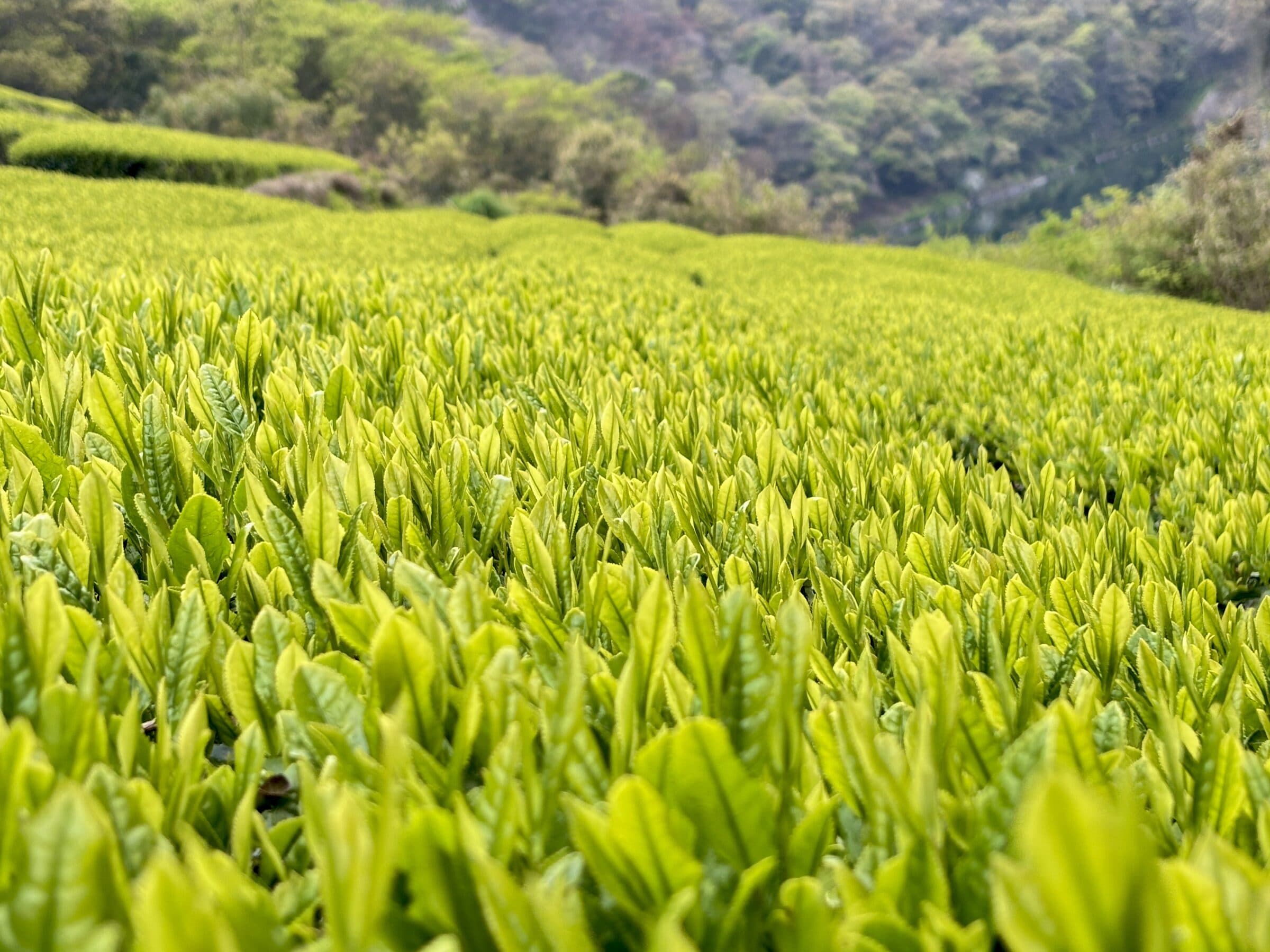
Warm days, cold nights and river mist in the headwaters of the Niyodogawa. This first-flush sencha is harvested at the one-bud-two-leaves stage on steep terraced slopes and processed the same day. At Sushi Iwai in Bangkok it is served between pieces of nigiri to reset the palate.

Origin: Niyodogawa, Kochi, Japan · Grown by the Ikegawa Chagyo Kumiai (ICK)

TASTING NOTES

Aroma
Young leaves, fresh-cut grass, a hint of citrus peel
Taste
Clear sweetness, then a gentle astringency that tightens the palate
Finish
Short and clean — ready for the next bite
Pairs with
White-fish nigiri, sashimi, tempura

HOW TO BREW (ONE POT)

Leaves
5g
Water
150ml
Temperature
70–80℃
Time
60 sec

Cold brew: 10 g per litre, 3–4 hours in the fridge

Young-leaf aroma and a crisp finish

The first thing to notice is how young the aroma is. The moment hot water touches the leaves, a fresh scent of cut grass and spring shoots rises from the pot. Lean in a little closer and you may find something brighter underneath, like the peel of a citrus fruit.

The flavour is all about balance. A clear sweetness comes first; a breath later, a gentle astringency tightens the sides of the tongue. That light grip is what makes sencha taste like sencha. Too much and the tea becomes tiring; too little and it leaves no impression. Totonou is made to sit right between the two.

The finish is short and clean. Because it fades so quickly, it never competes with food. Instead it resets the palate and makes the next bite taste better. Try it with delicate dishes such as white-fish sushi or tempura and you will see exactly what it does.

The same leaves change with the water. Cooler water brings out sweetness; hotter water brings out astringency and aroma. Start with the guide below, then move the temperature a few degrees either way to find the balance you like best.

Three infusions, three different cups

The key to good sencha is water temperature. Use 5 g of leaves (about two heaped teaspoons) with 150 ml of water at 70–80°C (160–175°F). Water straight off the boil is close to 100°C, and at that heat the tea turns bitter before the sweetness can come through.

The easiest way to cool the water is to use your cups. Pour freshly boiled water into an empty teacup and it drops by roughly 10°C. When the cup feels hot but comfortable to hold, the water is ready. As a bonus, your cup is now warm.

For the first infusion, pour the cooled water over the leaves, close the lid and wait 60 seconds. This brings out the best balance of sweetness and aroma. For the second, the leaves are already open, so use slightly hotter water and pour after just 10–20 seconds; the cup will be brisker, with clearer aroma and more grip. For the third, use hot water for about 30 seconds. It is light and refreshing, perfect after a meal.

Whatever the infusion, pour out every last drop. Water left in the pot keeps steeping the leaves and makes the next cup bitter.

In summer, try cold brewing. Put 10 g of leaves in 1 litre of water and leave it in the fridge for 3–4 hours. You get a clean, sweet iced tea with very little bitterness.

First-flush leaves raised by mist and cool nights

Totonou is made from ichibancha, the first harvest of the year. Over winter the tea plants store nutrients, and in spring those reserves flow into the new shoots. That is why first-flush tea has the richest aroma and sweetness of the whole year.

The tea gardens sit in the mountains of Niyodogawa, Kochi Prefecture, in the headwaters of the Niyodo River, often called Japan's "miracle clear stream". Up here, days are warm and nights are cold, and the slopes spend long hours wrapped in mist rising from the river. Compared with sunny, warm lowland gardens, the shoots grow slowly, and their aroma becomes cleaner as they do. Sencha's fresh scent depends on exactly this setting.

The leaves are harvested when the shoots reach one bud and two leaves, using small portable harvesters carried up the steep terraces. Year-round care keeps the shoots in these gardens unusually even, so the harvest stays close to the youngest, softest leaves. The leaves travel down the mountain on a small monorail and are steamed the same day. Leaving them longer would let the young-leaf aroma fade, so this speed is what protects it.

The tea is made by the Ikegawa Chagyo Kumiai (ICK), founded in 1993 by tea farmers who set out to make truly delicious tea with reduced pesticides.

Know sencha, and every other tea makes sense

Most of the green tea drunk in Japan is sencha. It is the reference point for Japanese tea, and once you know its taste, the character of every other tea becomes much easier to understand.

Sencha leaves grow in full sunlight, then are steamed, rolled and dried. Sunlight gives the tea its fresh aroma and its gentle astringency.

Kabusecha adds one step to how the tea is grown. For about a week before harvest the garden is shaded, softening the sunlight; astringency drops and umami and sweetness come forward. Hojicha adds one step after the tea is finished: the leaves are roasted over strong heat until they turn brown, giving a toasty, mellow cup.

Leaves from the same mountain change completely in aroma, flavour and even the food and time of day they suit, simply by how they are grown and finished. Drink them side by side with sencha as your reference and the differences are clear.

For freshness and a crisp finish, choose sencha. For umami, kabusecha. For a toasty aroma, hojicha. Start with Totonou, the reference, and explore T44's mountain teas from there.