SKIP TO CONTENT
Hae — Kabusecha
← Back to store

HAE — KABUSECHA

Hae — Kabusecha

旨味と甘み、やわらかな香り。特別感と余韻を生む。

SELECT FORM

¥6,912 (≈ $44) tax incl.

HAE

映 — The centrepiece cup that makes the table memorable.

STORY

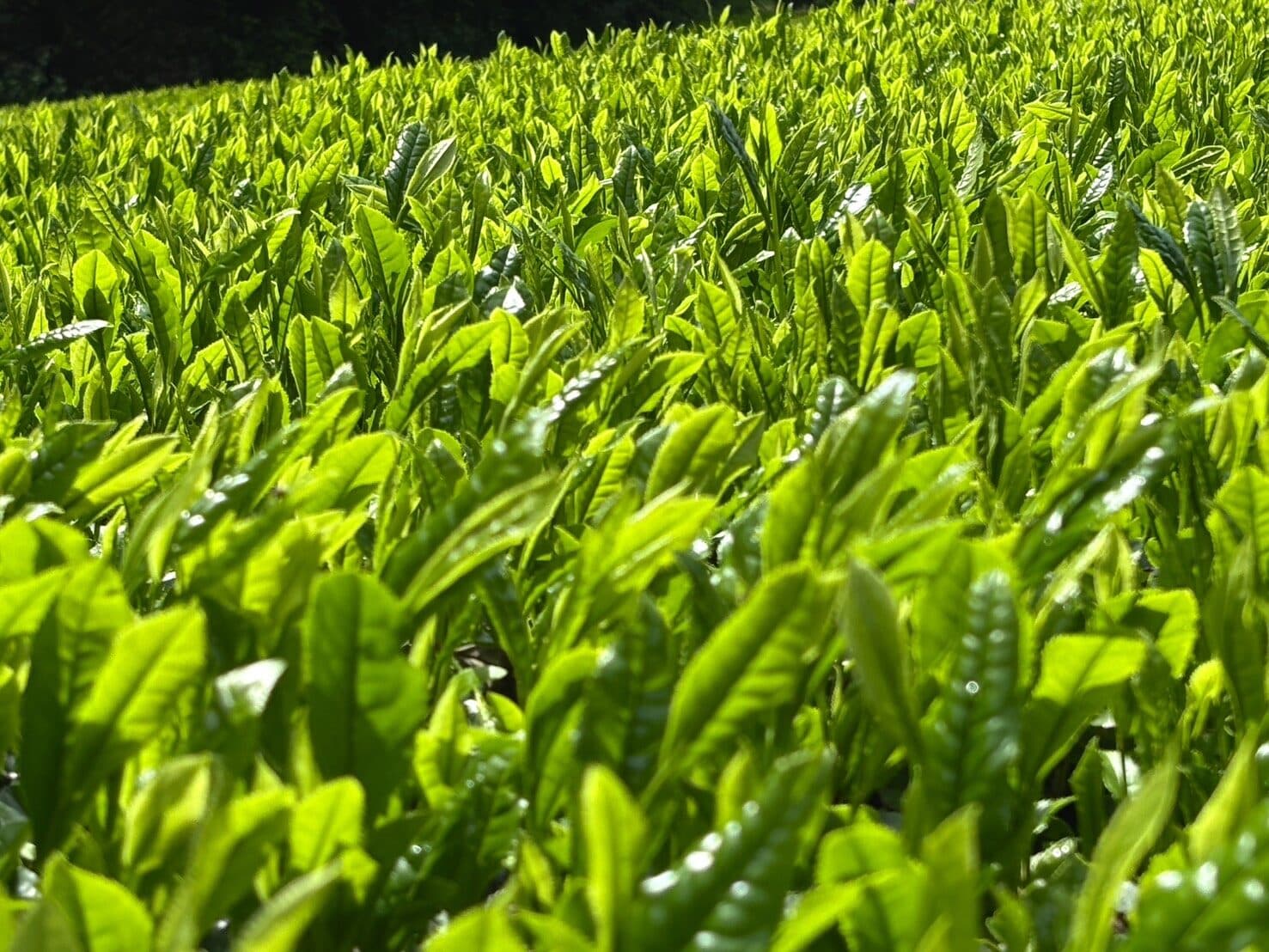
The tea garden is shaded for about a week before harvest. Softer sunlight keeps the astringency down and brings umami and sweetness forward. Chilled, the umami becomes even deeper — a fine way to open a celebration.

Origin: Niyodogawa, Kochi, Japan · Grown by the Ikegawa Chagyo Kumiai (ICK)

TASTING NOTES

Aroma
Nori-like shaded aroma, freshly steamed leaves
Taste
Silky umami with a broth-like depth and soft sweetness
Finish
Long and sweet
Pairs with
Tuna and toro, silver-skinned fish, uni and shellfish nigiri

HOW TO BREW (ONE POT)

Leaves
5g
Water
150ml
Temperature
60–70℃
Time
60–90 sec

Cold brew: 10 g per litre, 4–5 hours in the fridge

Umami and softness, born in the shade

If kabusecha could be summed up in one word, it would be umami, the savoury depth you find in a good broth. Poured from the pot, the tea feels smoother in the mouth than sencha, with an almost silky texture.

Its aroma is distinctive too: full and slightly sweet, reminiscent of green nori seaweed. In Japanese this is called ooika, the "shaded aroma", and it only appears in tea grown with the sunlight blocked. Over it sits the green scent of freshly steamed leaves.

On the palate, umami spreads first and softly coats the whole tongue, with a depth that recalls dashi broth. Sweetness follows slowly behind. Astringency is far gentler than in sencha, so it is easy to enjoy even if you usually find green tea too bitter. After you swallow, a long, sweet finish stays with you.

That depth of umami means it holds its own against rich food: fatty tuna, lean tuna, uni and shellfish. It rinses away the richness while its umami layers with the food's. It is just as good on its own; sip it slowly from a small cup and notice how the flavour changes.

Lower temperature, more umami

The cooler and slower you brew kabusecha, the more its umami comes through. Use 5 g of leaves with 150 ml of water at 60–70°C (140–160°F), about ten degrees cooler than sencha.

At lower temperatures, the compounds behind astringency dissolve slowly, while the umami compounds come out steadily. Brew it too hot and the shaded aroma and umami disappear behind bitterness, so take care with the temperature above all.

To reach 60–70°C, pour freshly boiled water into a cup, then transfer it once more into another cup or a cooling pitcher. Two transfers bring it to roughly the right range. It should feel warm, not hot, to the touch.

Pour the cooled water over the leaves, close the lid and wait 60–90 seconds. The longer wait gives the cooler water time to draw out the umami fully. Pour in a few small rounds and empty the pot completely; the very last drops are the most concentrated. For a second infusion, raise the water to 70–80°C and pour after 20–30 seconds. The umami softens and a fresher aroma comes forward.

In warm weather, cold brew it. Add 10 g of leaves to 1 litre of water and leave it in the fridge for 4–5 hours. Served in a wine glass, it makes an elegant welcome drink for guests.

Extra shade, on a mountain already wrapped in mist

Kabusecha means "covered tea". For about a week before harvest, the tea plants are covered to soften the sunlight.

Why block the sun? Inside the leaf, sunlight gradually turns theanine, the amino acid behind umami, into catechins, which give astringency. Covering the plants slows this change and keeps more umami in the leaf.

The gardens of Niyodogawa already enjoy gentle light. In the headwaters of the Niyodo River, often called Japan's "miracle clear stream", the mountain terraces spend long hours in river mist, and the gap between day and night temperatures is wide. These conditions suit the development of umami. Adding shade on top gives the clear aroma of mountain tea the deep umami of kabusecha.

Covering tea plants is hard work even on flat ground; on steep terraces it is harder still. The growers of the Ikegawa Chagyo Kumiai (ICK) take on that effort for the sake of better tea. Mountain conditions and human care, layered together, are what make Hae.

Between sencha and gyokuro

Several Japanese teas are grown under shade. Kabusecha is one of the best known, and it is often described as sitting between sencha and gyokuro.

Sencha is grown in full sun without any covering. It has a fresh aroma and a gentle astringency that leaves the palate crisp. Gyokuro is shaded for around 20 days before harvest. Its umami is intense, and it is a special-occasion tea, brewed at low temperatures and sipped in tiny amounts.

Kabusecha is shaded for about a week, right in the middle. It keeps some of sencha's freshness while offering umami and softness close to gyokuro. Easy enough to pair with everyday meals, yet with a sense of occasion: that balance is its strength.

T44 also offers Totonou, an unshaded sencha. Taste the two side by side and you can tell how the difference in sunlight becomes a difference in flavour. We also suggest enjoying a meal with umami-rich kabusecha, then finishing with the toasty Yoin hojicha.