SKIP TO CONTENT
Yoin — Hojicha (Special Roast)
← Back to store

YOIN — HOJICHA (SPECIAL ROAST)

Yoin — Hojicha (Special Roast)

特別な火入れによる香ばしさと、長く残る余韻。食後や夜に。

SELECT FORM

¥6,048 (≈ $38) tax incl.

YOIN

余韻 — For after the meal and late evenings — a toasty finish that lingers.

STORY

Niyodogawa tea leaves given a special fire-roast to draw out their toasty character. Mellow and low in astringency, it sits quietly in the background after a meal or late in the evening, leaving a long aroma.

Origin: Niyodogawa, Kochi, Japan · Grown by the Ikegawa Chagyo Kumiai (ICK)

TASTING NOTES

Aroma
Roasted grain, caramel, nuts
Taste
Mellow and smooth with a toasty sweetness
Finish
The roasted aroma lingers
Pairs with
Anago, tamago, sweets, after dinner

HOW TO BREW (ONE POT)

Leaves
5g
Water
150ml
Temperature
90–100℃
Time
30 sec

A roasted aroma with a long finish

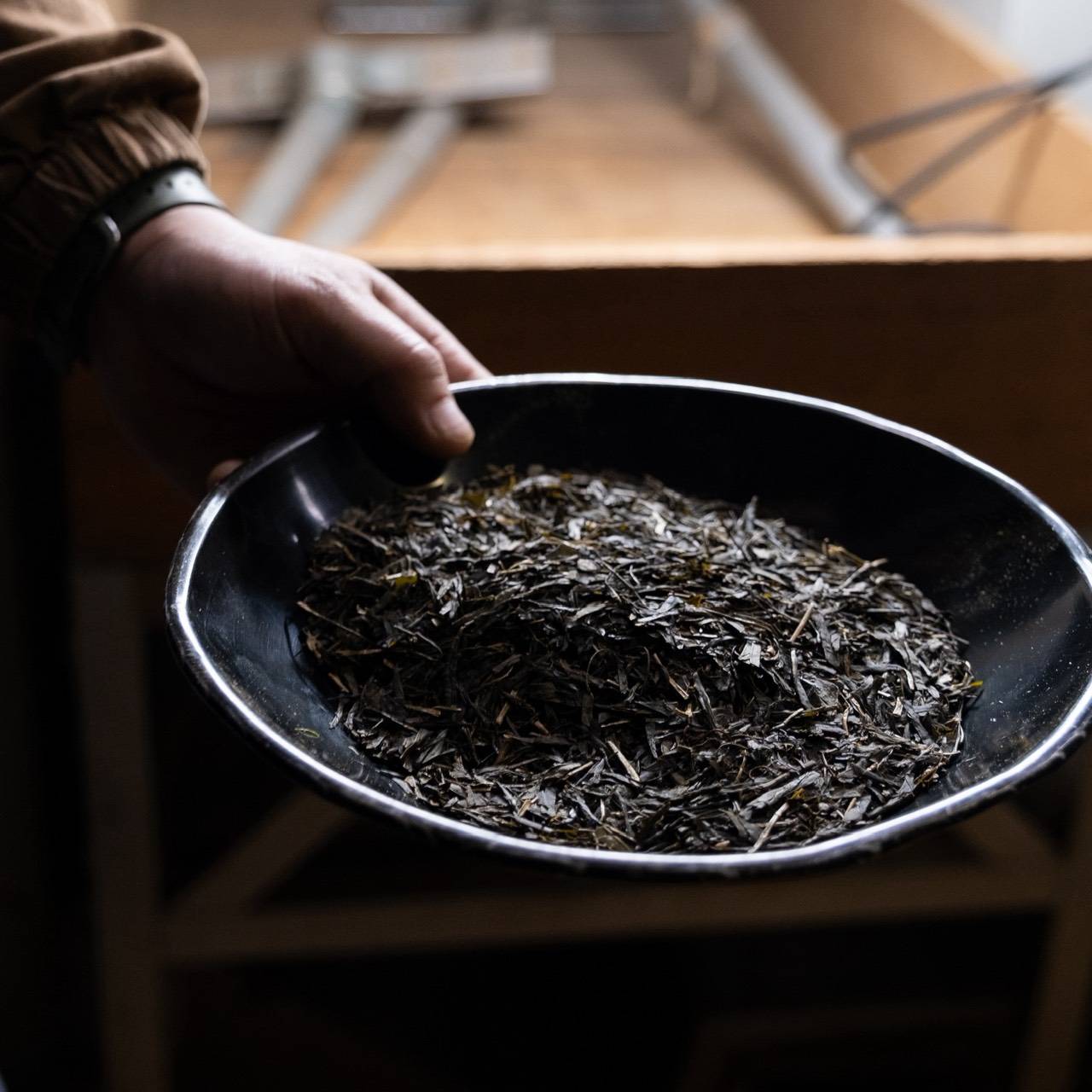
In Yoin, aroma is the star. From the moment hot water meets the leaves, a toasty scent like roasted grain fills the room, with hints of caramel and nuts hidden underneath. The brewing itself becomes part of the pleasure.

In the cup it is a clear amber, nothing like green tea. On the palate, gentle sweetness arrives along with the toastiness. Roasting softens the leaves' edges, so the tea feels light, with little bitterness or astringency.

True to its name (yoin means "lingering resonance"), it shines most after you swallow. The roasted aroma rises through the nose and stays for a long time. That long finish is what we named it for.

After a rich meal it leaves the mouth feeling light. It pairs well with sweetly seasoned dishes like anago (sea eel) and tamagoyaki (Japanese rolled omelette), with Japanese sweets and with baked goods. It is the cup for the end of the day, when you want to slow down.

Boiling water, brewed fast

Hojicha is brewed the opposite way to green tea. Do not cool the water: use it straight off the boil and keep the steep short. High heat lifts the roasted aroma in one go, and that is the secret to a good cup.

Use 5 g of leaves with 150 ml of water at 90–100°C (195–212°F). Roasted leaves are light and bulky, so a teaspoonful looks like more than it is. Weighing the leaves rather than judging by eye avoids mistakes.

Warm the pot and cups with hot water first; cold teaware dulls the aroma. Pour that water away, add the leaves and pour in the boiling water. Close the lid and wait about 30 seconds, roughly half the time for green tea. Leave it longer and bitterness starts to overtake the toastiness. For a second infusion, use boiling water again and pour almost immediately.

For iced hojicha, double the leaves, brew strong with boiling water and pour it straight over a glass full of ice. The sudden chill locks in the aroma for a clean, toasty iced tea. Or top a strong brew with warm milk for a hojicha latte.

Mountain-grown leaves keep their clarity when roasted

Hojicha is made by roasting green tea leaves over strong heat. Roasting creates the toasty aroma, but the quality of the leaves underneath still shows clearly in the finished cup.

Yoin's leaves grow in the mountains of Niyodogawa, Kochi Prefecture, on terraces in the headwaters of the Niyodo River, often called Japan's "miracle clear stream". With wide swings between day and night temperatures and long hours of river mist, the leaves grow slowly and develop a clean taste with little harshness. That is why the aroma stays clear rather than muddy after roasting.

Many of the gardens are on slopes too steep for large machines, so much of the work depends on human hands. By roasting this hard-won mountain tea, we have made it easy to enjoy at the everyday table and in the evening.

It is made by the Ikegawa Chagyo Kumiai (ICK), founded in 1993 by tea farmers who set out to make truly delicious tea with reduced pesticides. This hojicha comes from the same growers and the same mountain as our sencha and kabusecha.

Green tea and hojicha, from the same leaf

Hojicha and green tea look like completely different drinks, but both come from the leaves of the same tea plant. The difference is whether one final step, roasting, is added.

Sencha and kabusecha are steamed, rolled and dried after picking. The leaves stay green and offer fresh aroma, umami and a gentle astringency, and they are best brewed with water cooled to 60–80°C. Hojicha takes those green leaves and roasts them at high heat. They turn brown, the aroma becomes toasty, and the flavour becomes mellow with little astringency. Being able to brew it straight from the kettle is another big difference.

One easy way to choose is by time of day. The bright Totonou sencha for the start of a meal or a fresh start; Hae kabusecha when you want to savour umami; and Yoin hojicha after dinner or in the evening, when you want to unwind.

Leaves from the same mountain and the same growers take on a completely different character through finishing alone. Taste them side by side and you will feel the depth of Japanese tea.